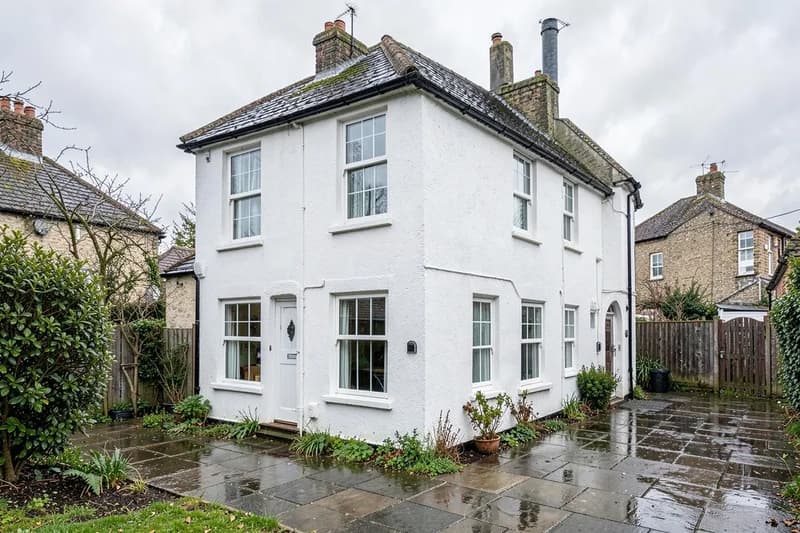
- Because high pressure can scar or loosen a rendered finish. Soft washing applies a low pressure treatment that is left to work on the organic growth, then rinsed, which gives a more even result on modern render systems.
- Soft washing targets algae and organic staining at the surface. The treatment is applied evenly and given time to work, which tackles the green growth rather than simply blasting the top layer away.
- The render is assessed before work begins. Modern render systems, including coloured and through-coloured finishes, are treated with a low pressure method chosen for that surface.
- Yes. Careful protection of nearby surfaces is part of the process, and the work is set up before any treatment is applied.
- Yes, within the stated area. Domestic render soft washing is carried out within about fifteen miles of the base near Dover, with commercial render cleaning quoted further across Kent.
- Yes, both. Homes, schools, offices and commercial elevations are all covered, and larger elevations can be treated in a phased way to suit the site.
- It is best not to use a pressure washer on render. A concentrated jet can scar the surface, open up fine cracks and strip colour from through-coloured finishes, leaving lance marks that are more noticeable than the original staining. Soft washing works differently: a treatment is applied at low pressure, given time to work on the algae and then rinsed. If you want to understand the risks first, read the guides on coloured render and soft washing safety before deciding.K Rend and coloured render cleaning dos and don'tsIs soft washing safe?
- Yes, rendered walls can be assessed for low-pressure cleaning appropriate to the finish and condition. Cleaning addresses deposits and growth rather than repairing defects.
- No. Soft washing relies on a low-pressure treatment, dwell time and rinsing. A rendered finish needs a different assessment from a hard landscaped surface.
- It should identify the elevations, condition, access and agreed treatment, including protection of surrounding surfaces. Biocide treatment is offered as a separate line.
- No. Show the streak pattern and surrounding details first. The surface and possible source of staining are considered before cleaning is agreed.