
Coast, countryside and commercial arrays
Solar Panel Cleaning in Kent
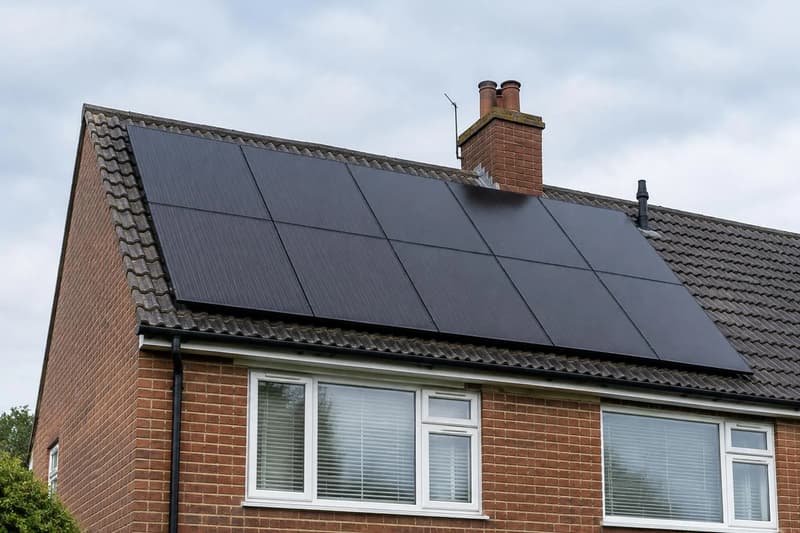
Solar panel cleaning in Kent has to account for more than ordinary dust. East Kent coastal exposure, agricultural surroundings and bird activity can leave different deposits on the same array. OOR External cleans external panel glass with soft brushes and clean water, after discussing the layout and access.
Request a free quoteSalt film on a county with three coastlines
Kent has coastline on the Thames Estuary, the North Sea and the Channel, so an array in a seaside town can collect salt film carried inland by wind, even if it is not directly above the seafront. Exposure varies with the roof angle, nearby buildings and the direction of weather. The visible result can be a general haze rather than a single obvious patch.
Rain may wash some loose material away without leaving every panel clear. If deposits persist, describe the surroundings and provide safe overall photographs. The cleaning discussion should identify external soiling rather than presume every coastal system has the same maintenance needs.
Warm, dry spells and dust
Kent is one of the warmest parts of Britain; Brogdale, near Faversham, recorded what was then the UK's highest temperature on 10 August 2003. Long dry spells mean less rain to rinse panels, so dust and pollen can sit on the glass for weeks. In general terms, a roof beside fields or a busy road may show changes at different times from a sheltered town-centre array, rather than becoming dirty at a steady rate.
These deposits should be considered alongside the panel tilt and runoff. Loose dust is not the same as hardened bird droppings, and a light film does not establish an electrical fault. Describe what is visible before assuming a whole array needs a particular treatment.
Panels on older and protected roofs
Some Kent arrays sit on or near traditional roofs, including those of converted oast houses and older homes with clay peg-tiles. Those coverings are fragile, so access never relies on walking on the tiles. Heritage controls are set by each district council rather than Kent County Council, so questions about panels on a listed or conservation area building belong with the district.
Gull droppings and concentrated deposits
Coastal gull activity can leave marks in repeated positions beneath a perch. Pigeons may also shelter under panels, with debris around the edges. Concentrated droppings can remain attached after ordinary rainfall, making them a different problem from a thin layer of loose dust.
Cleaning the top glass and discussing access beneath the panels are separate scopes. Do not lift a panel or disturb apparent nesting to obtain a photograph. The bird-droppings guide explains those issues without promising that a wash prevents birds returning.
Homes near Dover and postcode checks
Domestic work is normally taken on within about fifteen miles of the Dover base. A Kent-wide page should not be read as an offer to every household in the county. If your address is farther away or coverage is uncertain, please check your postcode before expecting a booking.
Send the roof layout and any safely available photographs once coverage is confirmed. Mention a conservatory, lower extension or narrow passage if it affects access. Panel count is useful, but the route to the glass can be just as important when planning the work.
Commercial arrays across the county
Warehouses, schools and farm buildings can carry larger installations on roofs with fragile sheets or rooflights. The presence of panels does not make the roof safe to walk on. Access planning considers the covering, edges, available space and the people using the building below.
Commercial work is quoted further across Kent, with timing discussed around operations, deliveries and entrances. The commercial solar service page covers that planning in detail. Specialist access is explained and priced before work starts rather than assumed to be included in an undefined wash.
Cleaning is not electrical servicing
The external glass is cleaned using a compatible gentle approach, respecting manufacturer instructions. Abrasive pads, harsh scrubbing and forceful pressure are avoided. If glass is damaged, wiring appears exposed or the system reports a fault, ask the installer before arranging cleaning.
No output-gain figure is promised. Generation also depends on weather, temperature, shade and system operation. Removing visible soiling is a maintenance task, not proof that an unrelated performance issue will disappear. Persistent concerns should be investigated by the appropriate specialist.
Timing follows the array's conditions
A steeper open roof, a shallow commercial array and panels beneath trees can collect deposits differently. Use observations and the manufacturer's guidance rather than applying one cleaning interval across the county. The separate frequency guide focuses on those factors so they are not repeated as a fixed local schedule.
For a free quote, send the postcode, an overview of the panels and the deposits you are concerned about. Say whether the building is a home or a commercial site, and identify any restrictions on access. Jordan can then discuss the suitable scope without inventing a standard figure for an unseen roof.
Related local pages
Solar panel cleaning in Kent: questions
- Does this Kent solar page mean every domestic address is covered?
- No. Domestic work normally falls within about fifteen miles of Dover. Please check your postcode for addresses farther away; commercial arrays are quoted more widely across Kent.
- Are coastal film and farmland dust the same cleaning problem?
- They can behave differently, and both may occur on one array. Assessment considers what remains on the glass, its tilt and the access rather than assuming one deposit from the postcode alone.
- Do warm, dry Kent summers make panels dirtier?
- They can. Kent is one of the warmest parts of Britain, and long dry spells mean less rain rinsing the glass, so dust and pollen can stay on the panels for longer.
- Can solar cleaning resolve an inverter fault?
- No. Cleaning addresses the external glass. A fault indication or unexplained electrical concern needs installer advice rather than a wash.