
Term time or holidays
Both work, and the right answer depends on the elevation. Anything reachable from a fenced off compound away from pupil routes can usually be done in term time, working outside drop off and pick up. Anything over a playground, an entrance or a main circulation route is better kept for holidays or inset days when the site is quiet.
Splitting a school into term time areas and holiday areas often gets the whole site done sooner than waiting for one long holiday slot.
Safeguarding and site rules
Expect to be asked for these, and expect a contractor to have them ready.
- DBS position and identification confirmed before arrival
- Signing in, escorting and site induction respected
- Fenced or coned exclusion zones while treatment is applied
- No photography of pupils, and site permission for any before and after images
- Agreed contact on site for the duration of the visit
Surfaces a school usually has
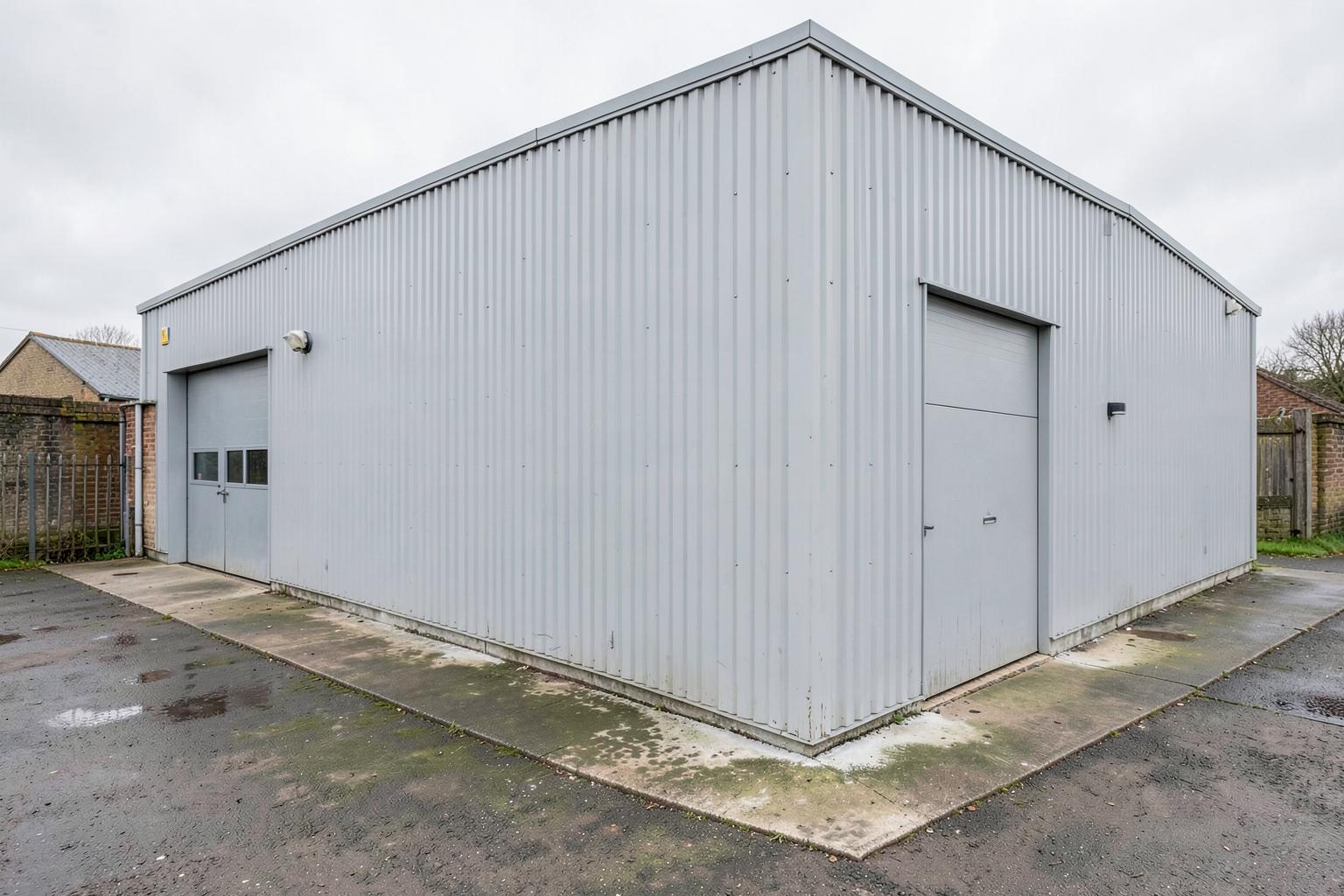
Most school estates are a mixture rather than one system: coated metal cladding on newer teaching blocks, rendered elevations on extensions, brick on the original building and a lot of roofline plastics along low single storey ranges. Each of those wants a different method, and the low ranges are often the ones that look worst because gutters have not been cleared in years.
Budgeting and planning cycles
School budgets run to a calendar, so getting a written scope and figure well before the financial year is decided is worth more than a fast quotation in June. Cleaning several elevations or several buildings in one visit reduces the mobilisation cost, and a fixed month each year makes the spend predictable rather than reactive.
What to ask before booking
Ask which method will be used on each surface and at what pressure, how exclusion zones will be managed while pupils are on site, what happens if weather moves a day in a tight holiday window, and who your single point of contact is. Clear answers to those four questions separate a contractor who has worked on a school from one who has not.