Out of Reach External Cleaning Specialists
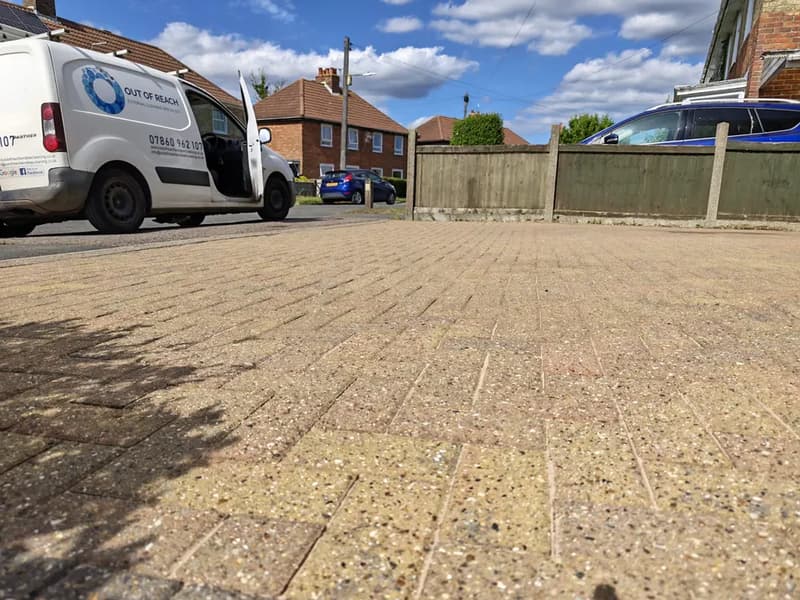
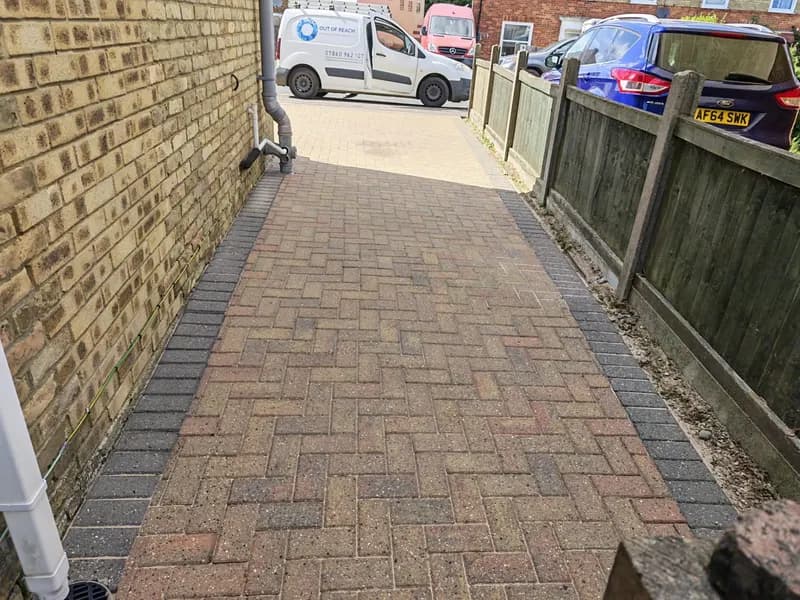
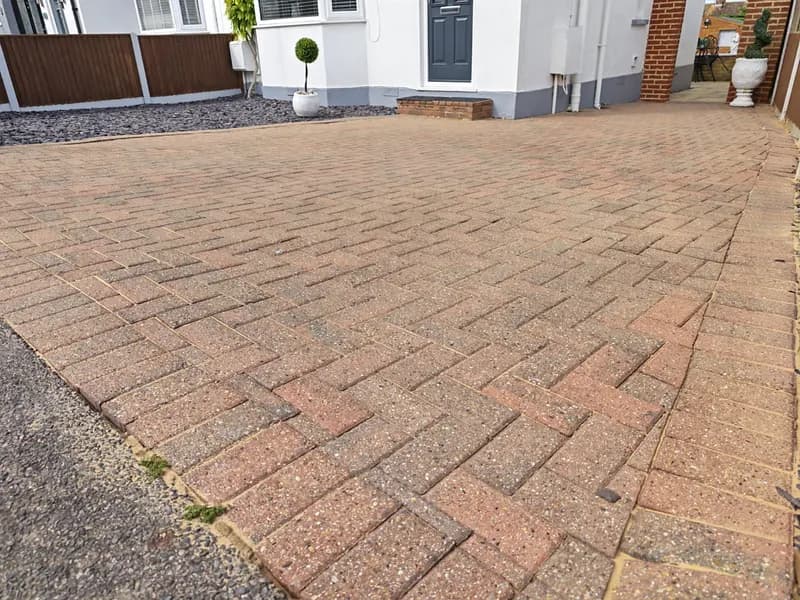
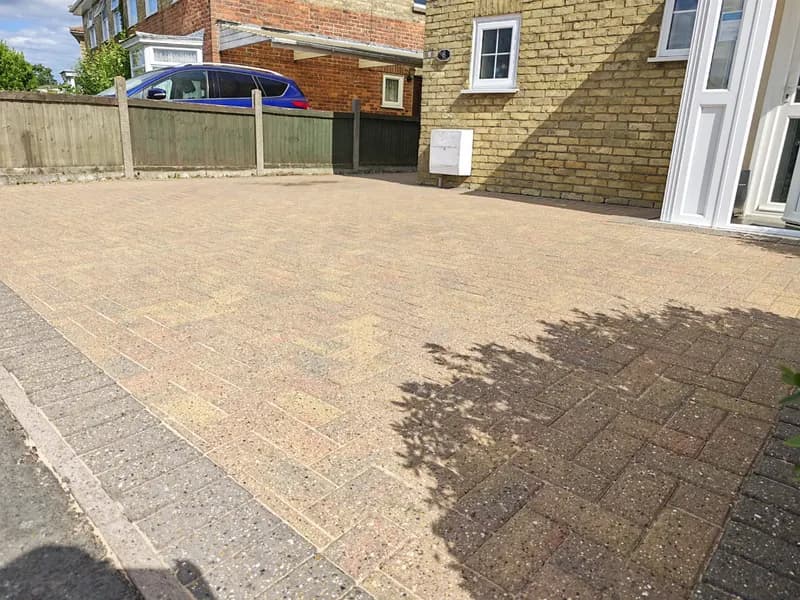
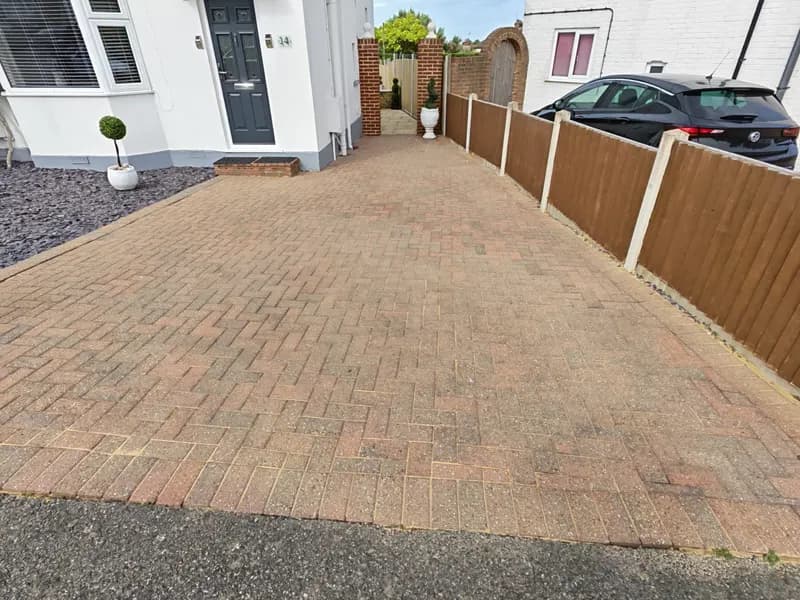
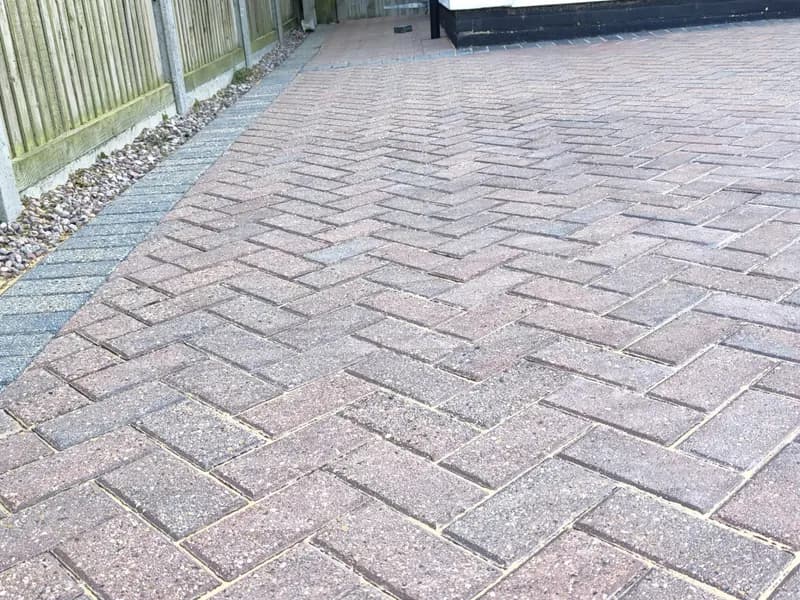
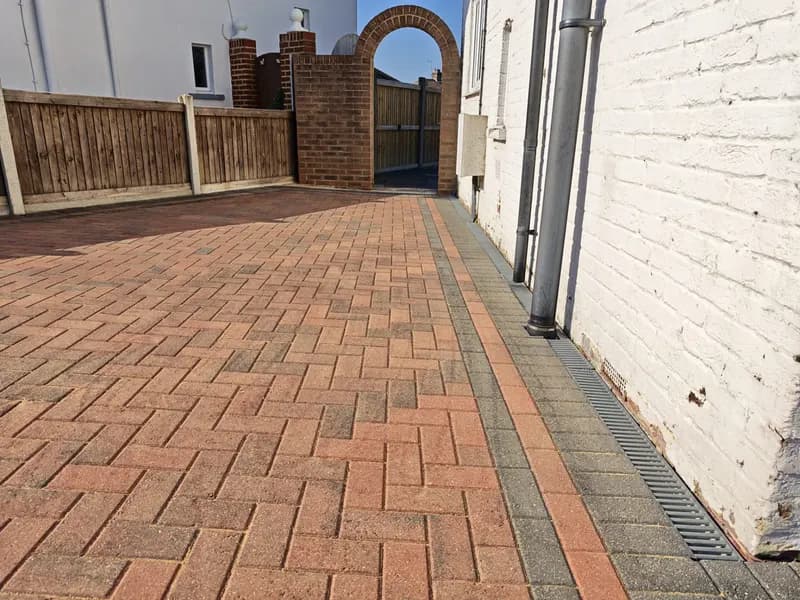
Block paved driveway after cleaning by OOR External

Professional exterior care

Block Paving Cleaning

Block paving cleaning lifts the grime, moss and weeds from both the face of the blocks and the sand joints between them, then refills those joints with kiln-dried sand once the surface has dried. OOR External sets the pressure for the paving and works in overlapping passes, so the finish is even rather than striped.

Request a free quote
Careful methods
Clear quotations
Flexible scheduling
Kent coverage
Block paved driveway after cleaning by OOR External

Professional Block Paving Cleaning

Block paving is a surface of individual blocks held in place by the sand packed between them. That sand is what makes it different to clean. The face of a block can take controlled pressure, but every pass over a joint also lifts some of the contaminated sand along with the moss and weeds growing in it. A good clean accepts that, removes the dirty material properly and then puts fresh kiln-dried sand back once the blocks are dry enough, so the paving stays locked together. That joint work is part of the written scope, not an afterthought.

  • Joints cleared of moss and weeds
  • Pressure set for the paving
  • Kiln-dried sand re-sanding available
  • Drives, patios and paths

What block paving cleaning involves

Each job starts by identifying the paving, its condition, the joints and where rinse water will run. Loose debris is cleared, doors and walls beside the drive are protected, and the surface is cleaned in controlled overlapping passes. Once it has dried sufficiently, kiln-dried sand is brushed back into the open joints where that is part of the agreed work.

The same scope as the main driveway and patio service applies here; this page simply goes into more detail for people whose paving is all blocks.

Weeds, moss and black spot in the joints

Joints collect dust, leaf litter and grit from tyres, and that mix becomes a thin strip of soil for weeds and moss. Shaded drives beside a wall or under trees turn green first. Dark spots and patches on the face of the blocks are often organic growth too. Pulling weeds by hand takes sand with them and leaves roots behind, which is why they keep returning.

Cleaning removes the visible growth. A biocide treatment applied afterwards kills the spores left deeper in the joints, so regrowth is slower. The order matters: clean first, then treat.

The cleaning method

Pressure and technique are chosen for the paving rather than set the same for every drive. Older or worn blocks are treated more gently than a newer, harder surface. Working in overlapping passes from the furthest point towards an exit means the finished area is not crossed again with equipment, and rinse water is steered away from doors, gullies and planted borders.

Re-sanding with kiln-dried sand is available once the joints are dry. Sealing is not part of the service.

  • Paving and joints checked first
  • Surroundings protected
  • Controlled overlapping passes
  • Rinse water directed away from doors and beds
  • Kiln-dried sand brushed back into dry joints

Oil and tyre marks

It is worth being honest about stains. Tyre marks and surface grime usually lift well. Oil that has soaked into the blocks is different: it may lighten without disappearing completely, because it has gone into the material rather than sitting on top. Obvious deep staining is discussed before work starts so you know what to expect.

Driveways, patios, paths and forecourts

Block paving turns up in many places around a property: the front drive, a patio, garden paths and side passages. They can all be listed in one quotation. For commercial sites, block-paved forecourts, car park bays and yards are handled alongside the wider pressure washing service, with water management and timing agreed for a site that stays in use.

Free quote: send a photo

A photograph of the whole drive or patio and one close up of the joints is usually enough to begin. Send them with your postcode, or call Jordan on 07860 962107, and you will receive the recommended approach and a free written quotation. The guide to cleaning block paving and concrete drives covers the topic in more depth.

Block paving re-sanding

Re-sanding is what keeps block paving firm after a clean. Kiln-dried sand is brushed into the joints only once the surface is dry, so it runs to the bottom of each gap. It is a separate step from the wash, and the time it needs is allowed for when the visit is planned.

Real OOR External work

Driveway Cleaning Project

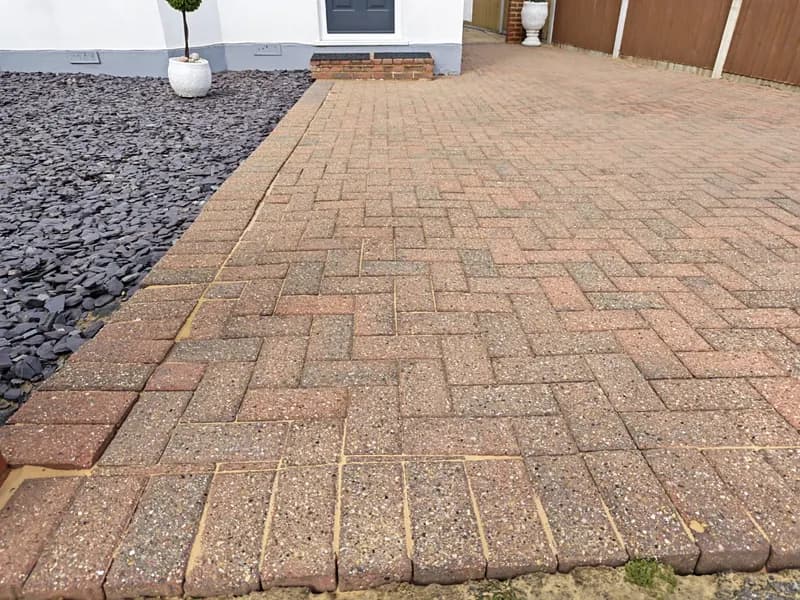
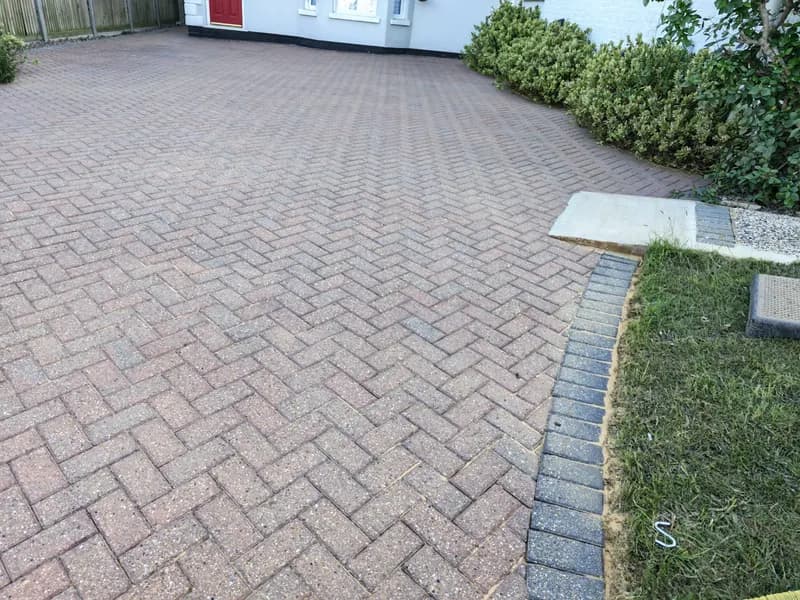
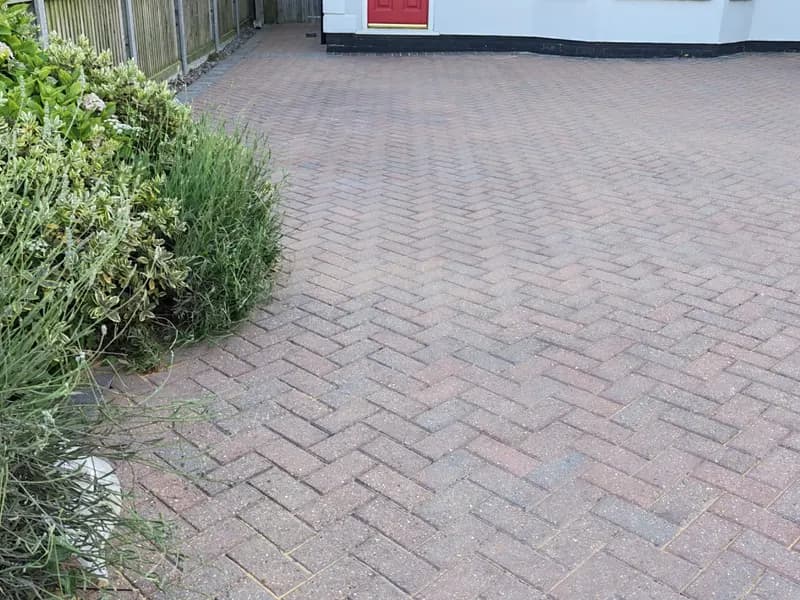
A residential block-paving clean shown across the complete project.

Driveway cleaning project by OOR External, view 1
Driveway cleaning project by OOR External, view 2
Driveway cleaning project by OOR External, view 3
Driveway cleaning project by OOR External, view 4
Driveway cleaning project by OOR External, view 5
Driveway cleaning project by OOR External, view 6
Driveway cleaning project by OOR External, view 7
Driveway cleaning project by OOR External, view 8
Driveway cleaning project by OOR External, view 9

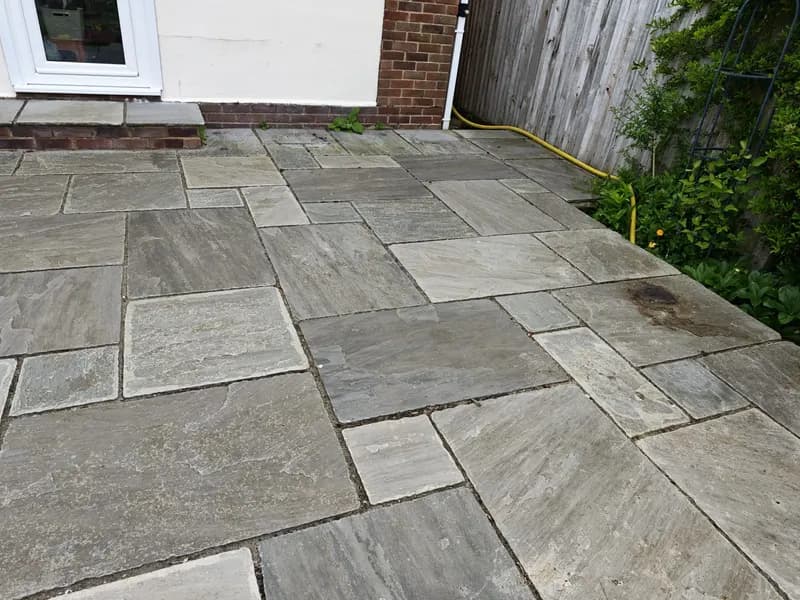
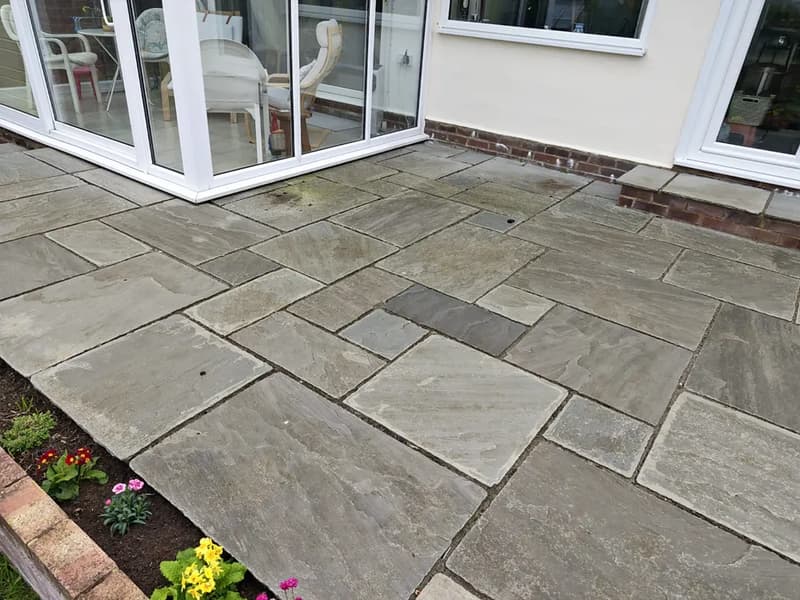
Patio Cleaning Project

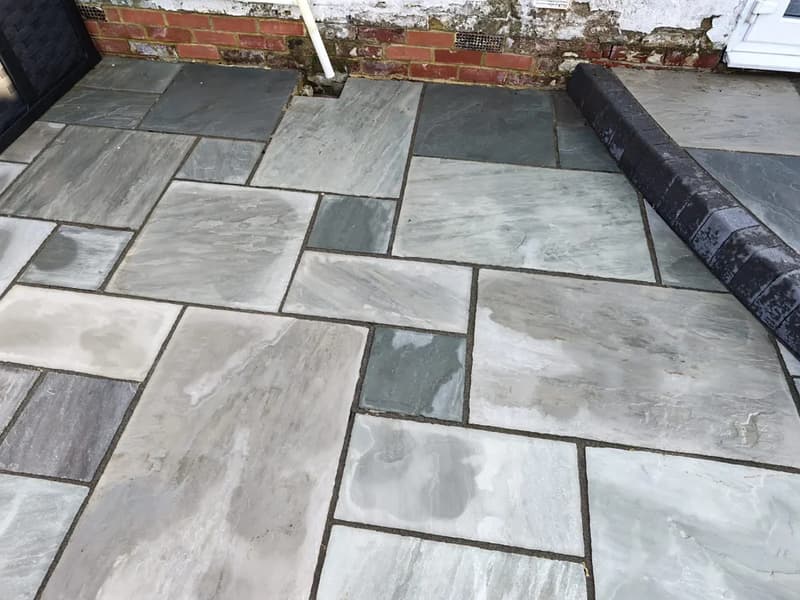
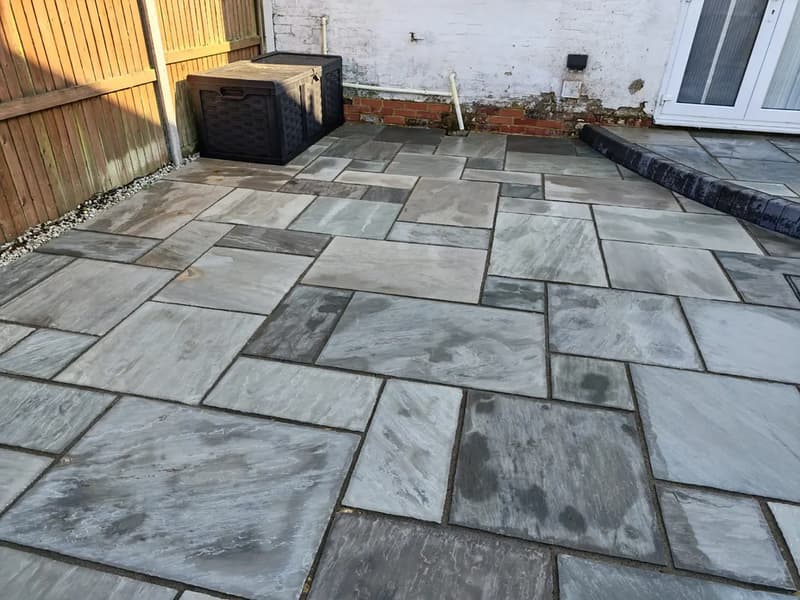
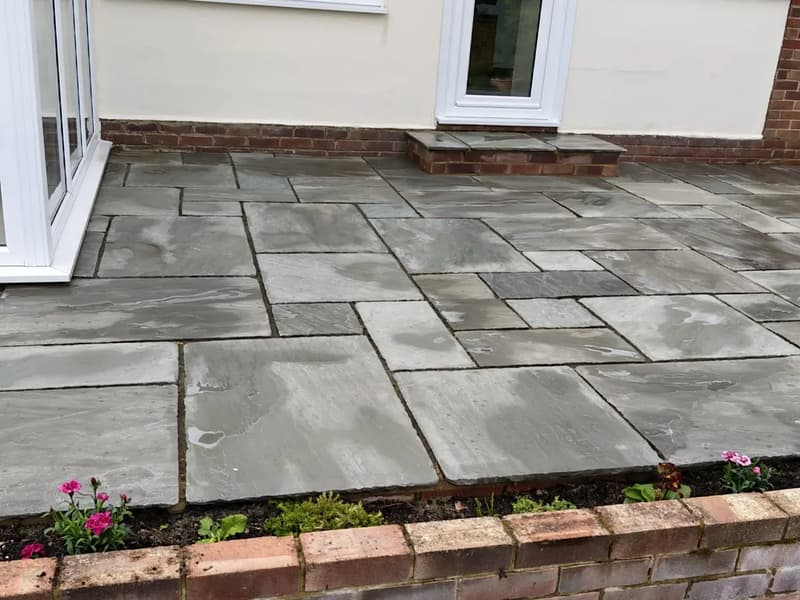
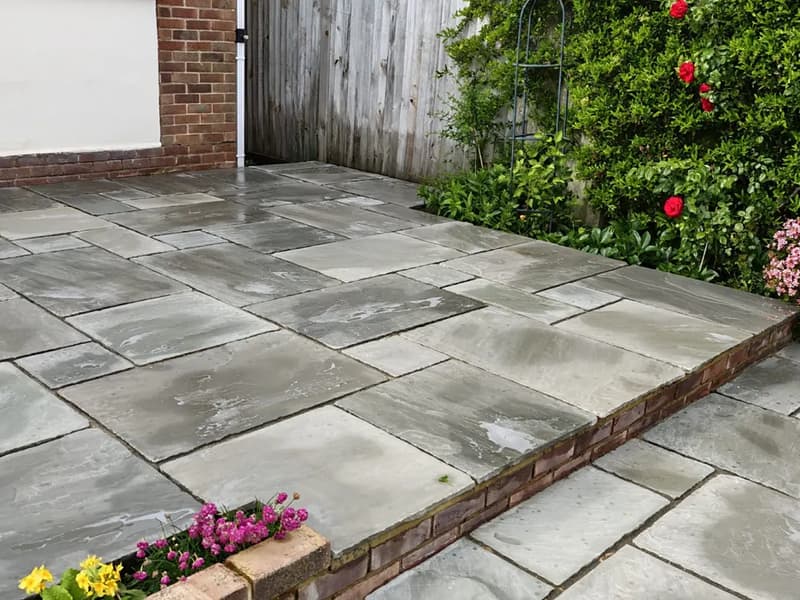
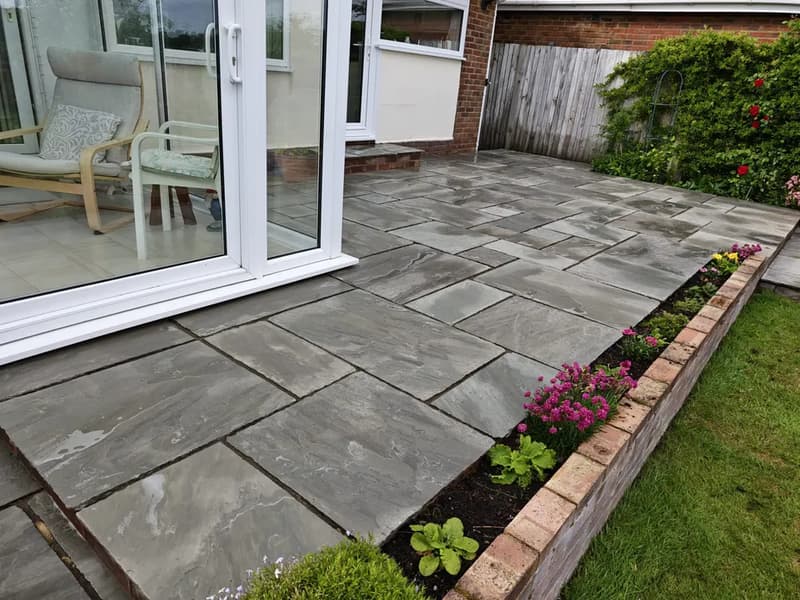
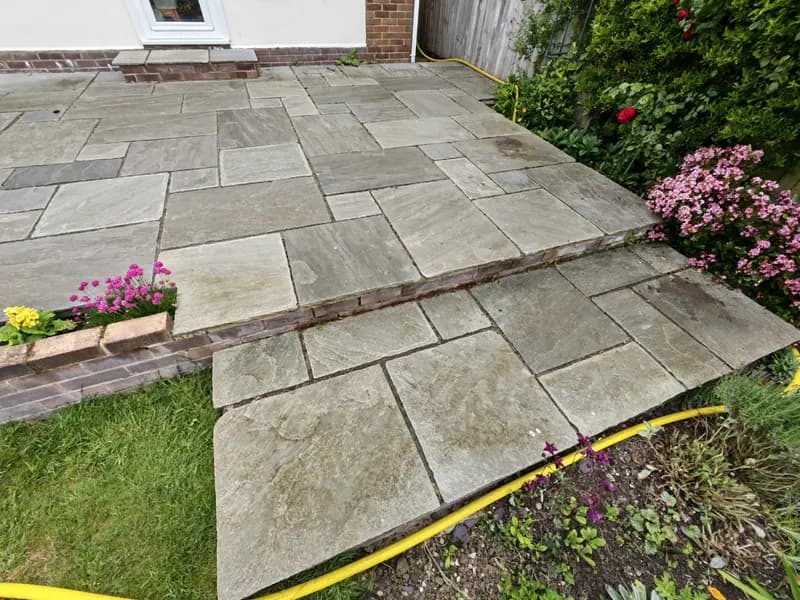
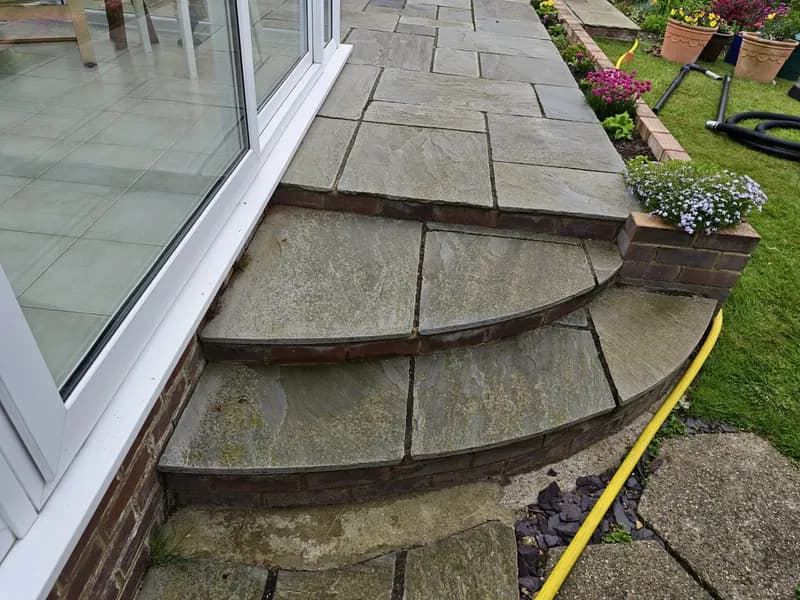
Real patio-cleaning photographs from preparation through to the finished paving.

Patio cleaning project by OOR External, view 1
Patio cleaning project by OOR External, view 2
Patio cleaning project by OOR External, view 3
Patio cleaning project by OOR External, view 4
Patio cleaning project by OOR External, view 5
Patio cleaning project by OOR External, view 6
Patio cleaning project by OOR External, view 7
Patio cleaning project by OOR External, view 8
Patio cleaning project by OOR External, view 9

Describe the joints as well as the surface

Photographs of block paving should include the edges, the gaps between blocks and any transition into a path or patio. A close view of weeds does not show whether joints have lost material elsewhere. Point out any loose or uneven blocks in the enquiry: cleaning addresses deposits, not the underlying cause of movement. Distinguishing those issues helps keep the proposed work clear before discussing washing and any subsequent joint attention.

Block Paving Cleaning FAQs

Will pressure washing wash the sand out of the joints?
Some of it, yes, because the joint sand is usually full of dirt and growth. That is expected, and kiln-dried sand can be brushed back into the joints once the paving is dry.
How long does block paving stay clean?
It depends on shade, trees and traffic. Growth returns over time, but a biocide treatment after cleaning slows it, and regular sweeping keeps debris out of the joints.
Can you remove oil stains?
Surface marks usually lift. Oil that has soaked into the blocks may lighten without disappearing completely, so deep staining is discussed before work starts.
Do you clean patios and paths too?
Yes. Block-paved patios, paths and side passages can be included in the same quotation as the driveway.
Do you do commercial car parks and forecourts?
Yes. Block-paved forecourts and yards are handled alongside the pressure washing service, with timing and water management agreed for the site.
How often should you clean block paving?
There is no fixed schedule. Shaded drives and those under trees turn green sooner, while open, sunny paving stays clean longer. Many people clean when weeds return to the joints.

Areas covered

Get Your Free Quote

Tell Jordan about the property and the work required.

Your details are used only to respond to this enquiry.

By sending this form you agree to our privacy policy.