
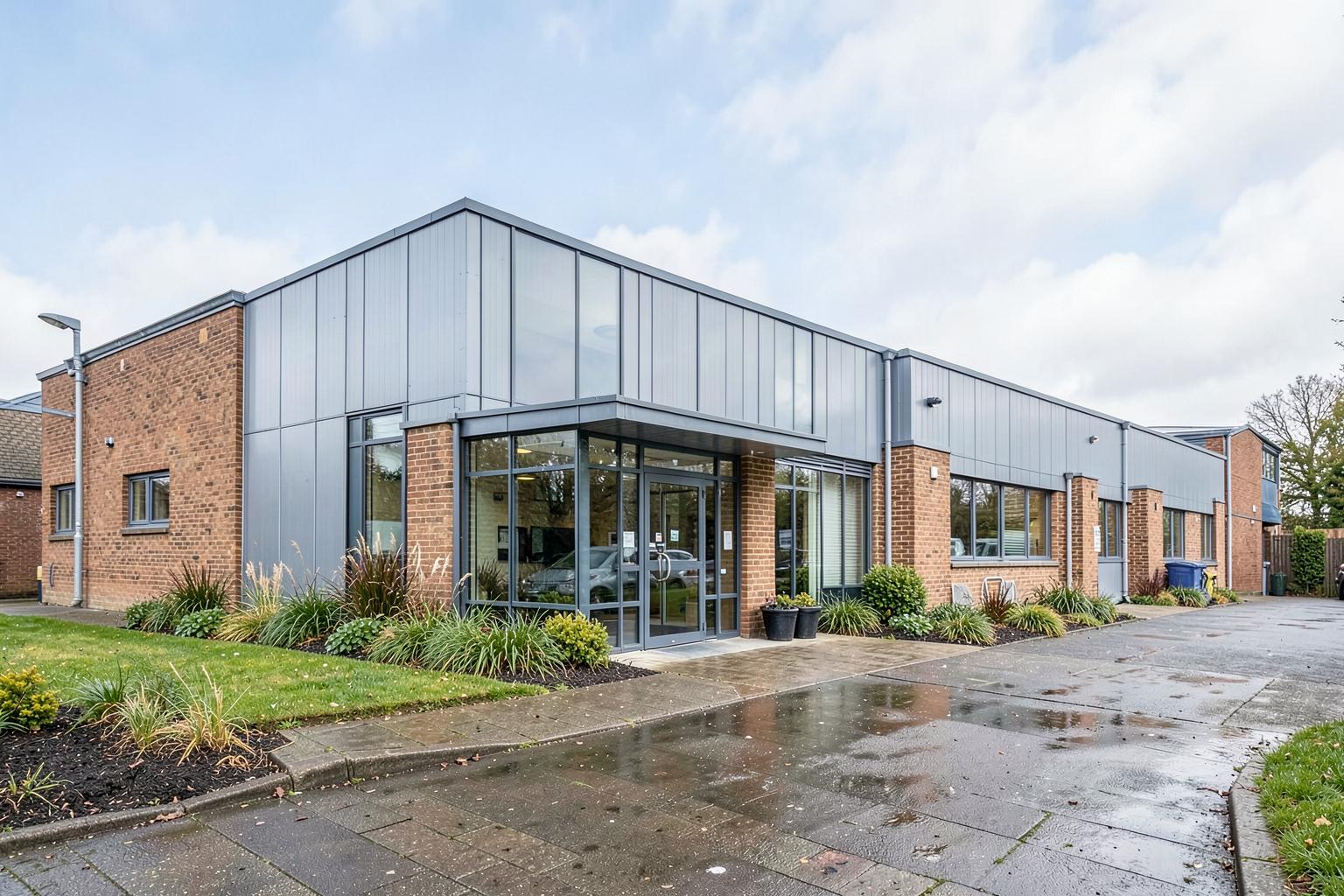
Size and number of surfaces
Area is the obvious factor, but the number of different surfaces matters almost as much. A house with render, brick, painted timber and block paving needs a change of method between each one, with different solutions, pressures and rinsing. A large warehouse with one type of cladding can move along steadily, even though the total area is far greater.
Detail also slows things down. Bay windows, porches, dormers, signage and planters all need working around carefully, and a plain elevation cleans faster than one broken up by features.
Access and setting up
Time on site includes setting up and packing away. Ground level work with high reach equipment is quick to start, while anything that needs specialist access equipment takes longer to position and move. Restricted access, such as a narrow side passage or a shopfront on a busy pavement, can also mean working in shorter sections.
On commercial sites, planning around trading hours, deliveries and site access may spread the work across more days so the building can stay open. That usually takes longer overall but causes far less disruption.
How dirty the surface is
Light traffic film washes off quickly. Thick moss on a roof, years of lichen on a patio or heavy black streaking on render takes longer, because the growth has to be treated, given time to break down, and sometimes worked a second time. Surfaces cleaned on a regular cycle are faster to clean each time, which is one practical reason to keep up with maintenance.
Weather and the time of year
Heavy rain, strong wind and frost all interrupt exterior cleaning. Wind carries spray where it should not go, frost makes surfaces unsafe and stops treatments working properly, and some solutions should not be applied just before rain. Summer brings longer days, but hot sun can dry a solution before it has done its job. A realistic schedule leaves room for a weather day.
Drying and after effects
When the team leaves, the job is not always finished working. Paving needs to dry before joint sand can be brushed in on block paving, and before furniture goes back. Walls and roofs treated with a soft wash can keep lightening over several days as the treatment continues to work on algae and lichen.
That means the best time to judge some results is a week or so after the visit, not the moment the equipment is packed away.
- Paving: usually walkable soon, but allow drying before resanding or sealing
- Render and walls: algae staining may keep fading for several days
- Roofs: loosened growth continues to weather away over time
- Gutters: clear straight away and ready for the next rain
Getting a realistic timescale
The quickest way to an honest timescale is a clear brief. Send photos of each area, list the surfaces, mention access issues and, for commercial sites, the hours and constraints you work to. OOR External works across Kent from Dover and provides free written quotes, so you know what is included and how the work will be planned before anything is booked.