
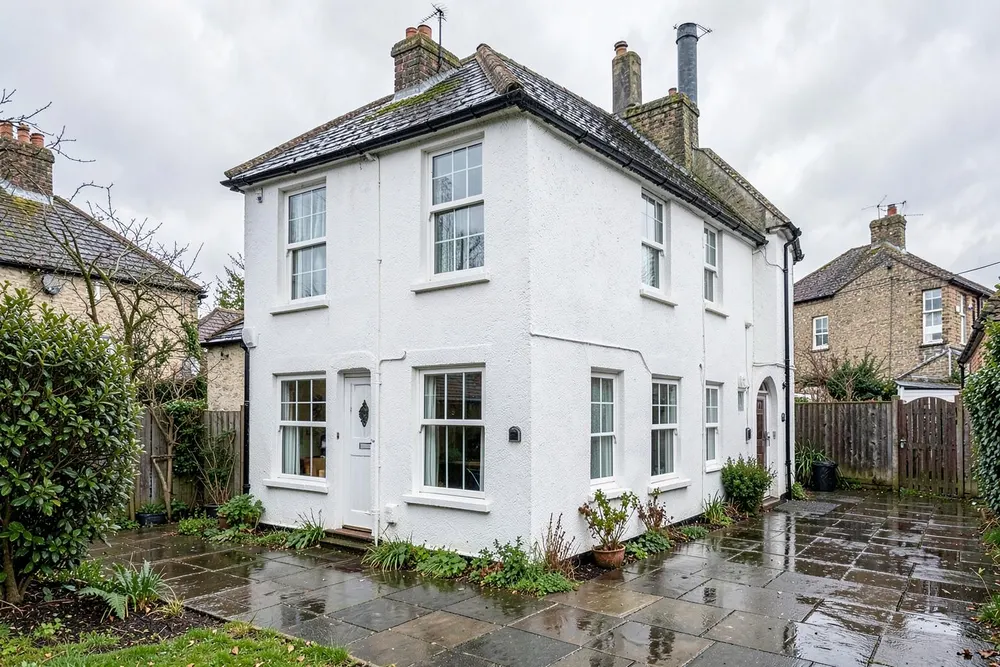
Rendered wall being treated with low pressure biocide after cleaning

Professional exterior care

Biocide Treatment for Kent Roofs, Render and Paving

Biocide treatment is applied after a surface has been cleaned to kill the moss, algae and lichen spores that cleaning leaves behind. OOR External uses it on roofs, render, paving and cladding across Kent, so the finish stays cleaner for longer instead of turning green again within a season.

Request a free quote
Careful methods
Clear quotations
Flexible scheduling
Kent coverage
Rendered wall being treated with low pressure biocide after cleaning

Professional Biocide Treatment

Cleaning removes what you can see, but organic growth leaves microscopic spores and root structures in the pores of tiles, render and stone. Given damp and shade, those return quickly. A biocide is a treatment designed to kill that remaining growth. It is applied at low pressure, left to work, and then weather does the rest, so the surface continues to brighten in the weeks after the visit. It is offered as a separate line on the quotation and explained so you can decide whether it is worth adding.

  • Kills remaining spores
  • Slows moss and algae regrowth
  • Roofs, render, paving and cladding
  • Planned around the weather

What a biocide treatment does

A biocide kills living organic growth and its spores. Unlike a cleaning wash, its job is not to lift dirt but to stop the source of the green and black staining from coming back as fast. Lichen in particular often looks unchanged at first, then dies back and loosens over the following weeks as rain washes it away.

It does not make a surface permanently clean. Damp, shade and nearby trees still bring new spores, but starting from a treated surface means regrowth begins from scratch rather than from what was left behind.

Roofs and moss treatment

After roof moss removal, the tiles still carry spores and small fragments of growth in the joints and texture. A roof biocide treatment is applied across the cleaned area to kill them, which helps the roof stay clear and reduces the debris that ends up in the gutters.

On roofs where heavy removal is not advisable, a treatment on its own can be the gentler option, allowing the growth to die and weather off gradually. Which approach suits your roof is explained after the assessment.

Render and cladding

Render often goes green on the shaded side of a building first. Soft washing removes the growth, and a biocide applied as part of or after the process kills what remains in the surface. The same principle applies to cladding where organic staining builds up around joints and on north-facing elevations.

Paving and hard surfaces

Driveways, patios and paths are washed with pressure, which removes surface growth but leaves spores deep in joints and porous stone. A biocide treatment after cleaning slows the return of algae and black spots, and is particularly useful on shaded patios that become slippery.

Dwell time and weather

A treatment needs time on the surface to work, so it is best applied in a dry spell rather than just before heavy rain. Jordan plans the visit with the forecast in mind and explains what you should expect to see over the following weeks, because the full effect is gradual rather than instant.

Plants, ponds, pets and nearby surfaces are considered before application, and the product is used according to its label. If anything on site needs protecting, that is agreed in advance.

Biocide Treatment FAQs

What is a biocide treatment?
It is a treatment applied after cleaning that kills remaining moss, algae and lichen spores, so the surface stays cleaner for longer.
Is roof moss treatment the same as biocide treatment?
Yes. A roof moss treatment is a biocide applied to the tiles, usually after moss removal, to kill what is left in the joints and texture.
Why does lichen still look the same after treatment?
Lichen dies back gradually. It often looks unchanged at first, then loosens and washes away with rain over the following weeks.
Does biocide make a surface stay clean forever?
No. Damp, shade and trees still bring new spores, but regrowth starts from a treated surface instead of from what cleaning left behind.
Can biocide be applied on any surface?
It is used on roofs, render, paving and cladding. Surrounding plants, ponds and surfaces are considered first and the product is used to its label.

Areas covered

    Get Your Free Quote

    Tell Jordan about the property and the work required.

    Your details are used only to respond to this enquiry.