
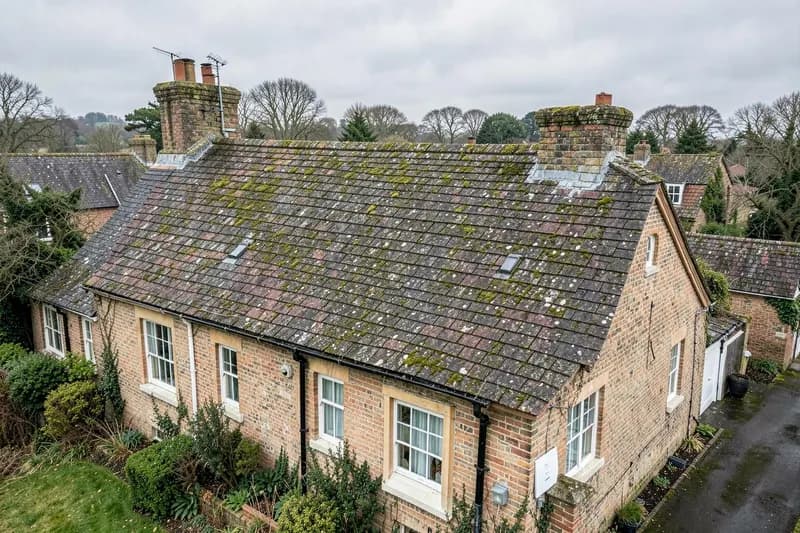
Coastal roof assessment and moss removal
Roof Cleaning in Thanet
Roof cleaning in Thanet starts with the covering and heritage controls in its seafront conservation areas. OOR External is based in Dover and quotes commercial roof work across Kent. For a home in the district, please check your postcode before arranging a visit: domestic work is normally within about fifteen miles of the base.
Request a free quoteSeafront heritage before moss removal
Regency and Victorian seafront terraces form part of Thanet's heritage context. Margate Seafront, Dalby Square, Ramsgate Royal Esplanade, Pegwell, Broadstairs and St Peter's are conservation areas. Before discussing an older roof, identify its actual covering and any protection rather than assigning tile or slate solely from its location.
Article 4 areas cover the Margate, Ramsgate, Broadstairs and Cliftonville divisions. Thanet District Council, based in Margate, is the planning authority to ask about the particular proposal. Gentle assessment protects existing details; cleaning is not roofing or a means of changing a historic finish.
Three coastlines, different drying conditions
The district has north, east and south-east-facing coastlines and sea on three sides. A roof's orientation and shelter matter: shaded slopes that remain damp can support moss and algae, while exposed faces may carry salt film. Describe both slopes rather than assuming a single coastal condition applies to the whole roof.
A photograph from the street may show the frontage but hide the more shaded rear slope. If you can obtain a safe view from the garden, include it. Do not climb an extension to investigate. Known slipped pieces, loose ridge mortar or leaks should be reported before any clean is discussed.
Low rainfall is not a promise of a dry roof
Rainfall around Manston is about 600 mm a year, similar to the driest parts of England. Low rainfall means less natural rinsing, but sheltered slopes can still retain moisture. Salt and surface dirt should be distinguished from living growth. Slate is treated by soft wash only and suitable tiles assessed for careful removal of loose growth.
Shared edges need planning so material does not simply move onto a neighbouring roof or into its gutter. Explain boundary access and whether the enquiry concerns one home or a managed building. That helps establish what is included without assuming every adjoining slope belongs in the same scope.
Chalk beneath the district, covering above it
Thanet is almost wholly chalk, including Margate Chalk and flintier Seaford Chalk at the margins, with patches of Thanet Formation sands and clays. Ground geology does not identify a roof covering or justify scraping it. Ask for the material to be assessed from records and safe photographs.
Where a shallow valley collects moss and leaves, the drainage route deserves as much attention as the main slope. Show lower roofs and extensions in the enquiry photographs. A concentrated collection at one junction can be a more useful maintenance target than a light mark spread over the whole covering.
Separate salt film from organic growth
Coastal deposits and living growth are not interchangeable. Salt or airborne dirt may affect appearance without producing the cushions associated with moss. Lichen can remain attached while treatment takes effect and weathering gradually changes it. A uniform immediate finish is not assumed.
Jordan assesses covering, pitch, condition and access before recommending a method. Cleaning cannot repair a failed flashing or establish whether a suspicious stain represents a leak. Waterproofing or structural concerns should be assessed by a roofer first.
Shared roofs and commercial occupation
Across Thanet, Census 2021 recorded 27.1% flats and 26.3% private renting. For a shared roof, identify who can authorise the work and which slopes are included; those district-wide figures do not show the tenure of one building. Commercial premises need timing around entrances, vehicle routes and occupied areas.
Coated metal sheeting may suit low-pressure soft washing, while fibre cement and rooflights require particularly careful assessment. Specialist access is discussed and priced before work starts. The commercial roof cleaning page explains the wider site scope without assuming a particular past job in Thanet.
Roof debris and Thanet gutters
Loose moss removed above the eaves must not be left to obstruct drainage. Gutters and outlets are cleared after roof cleaning, with the route around lower roofs considered as well. Exterior washing of the gutter and fascia is a separate matter to describe in your enquiry.
If overflow is your main concern, the Thanet gutter page is a useful starting point. Send the postcode, overall roof views and a note of where debris collects. Commercial enquiries can be scoped across the district; homeowners farther from Dover should check their postcode before expecting a domestic booking.
Roof cleaning in Thanet: questions
- Can I book roof cleaning for a Thanet home?
- Please check your postcode first. Domestic work normally falls within about fifteen miles of Dover, while commercial roof enquiries are quoted more widely across Kent.
- Who should I ask about a roof in a Thanet conservation area?
- Thanet District Council is the planning authority. Give the actual building and proposal, particularly where conservation or Article 4 controls may apply.
- Can moss grow despite the low rainfall around Manston?
- Yes. Around 600 mm of annual rain does not prevent sheltered roof slopes retaining moisture. Growth depends on the covering, shade and drying conditions.
- Does Thanet chalk mean roofs need the same cleaning method?
- No. Geology does not identify the roof covering. Slate, suitable tiles and commercial sheeting each need their own condition and access assessment.