
How they differ
Pressure washing relies on water force, so it suits hard, robust, non porous surfaces where the dirt sits on the surface and the substrate can take it. Soft washing relies on a treatment being applied, dwelling and then being rinsed at low pressure, so it suits anything painted, coated, rendered or fragile, and anything where the problem is living growth rather than deposited grime.
The other difference is what is left behind. Pressure removes the visible layer. A soft wash treats the growth itself, which is why the result usually holds longer on organic staining.
Use pressure washing on
Hard landscaping and robust surfaces, worked with the right nozzle, distance and technique.
- Concrete and block paving driveways
- Natural stone and slab patios, at appropriate pressure
- Concrete yards, loading areas and service bays
- Sound brickwork where a controlled wash is suitable
Use soft washing on
Anything where force would mark, strip or drive water in.
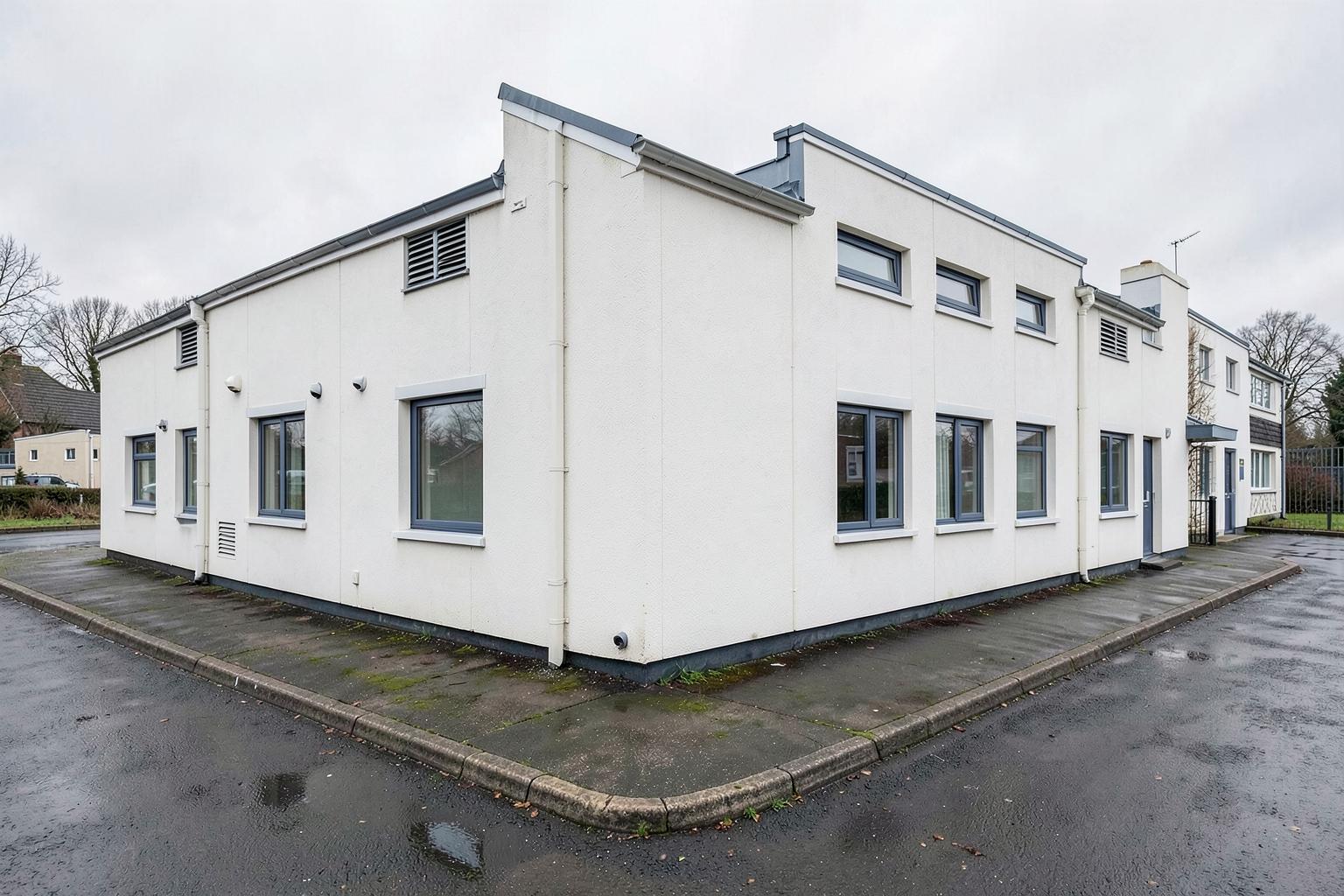
- Rendered and through coloured render elevations
- Coated and painted cladding panels
- Roof coverings, where the aim is to kill back growth
- Large commercial elevations needing an even result
- Roofline plastics, conservatory roofs and other delicate areas
The common mistakes
Using pressure on render or coated cladding is the expensive one, because it leaves permanent banding and lance marks. Using pressure alone on organic growth is the frustrating one, because the green returns within months and the wall can look worse than before.
There is also a version of the mistake on paving: too much pressure held too close will strip the surface off a slab or scour the sand out of block paving joints, and the joints then need resanding.
Jobs that need both
Plenty of properties use both processes in one visit. A soft wash on the render and roof, and a pressure wash on the driveway and patio, is the normal pattern for a domestic exterior clean. On commercial sites the split is often a soft wash on the elevation and a pressure clean on the yard and service areas.
Questions worth asking a contractor
Ask which process they intend to use on each surface and why, what pressure they will work at on coated or rendered areas, and how nearby planting, paving and glazing will be protected. A clear answer to those three questions tells you most of what you need to know.