
Need this sorted?
Need help with cladding cleaning? Book cladding cleaning or get a quote from OOR External.
Start by identifying the material
Look closely at a panel edge or an offcut if one is available. Metal cladding is usually steel or aluminium with a painted or plastisol coating. Composite cladding mixes wood fibre and plastic and often has a textured face. Timber may be bare, stained or painted. Fibre cement boards are hard and slightly heavy, sometimes made to look like timber. uPVC cladding is lightweight and hollow, usually in a shiplap profile.
If the building is still under a manufacturer warranty, check its cleaning guidance first, as some products specify approved methods.
Metal cladding
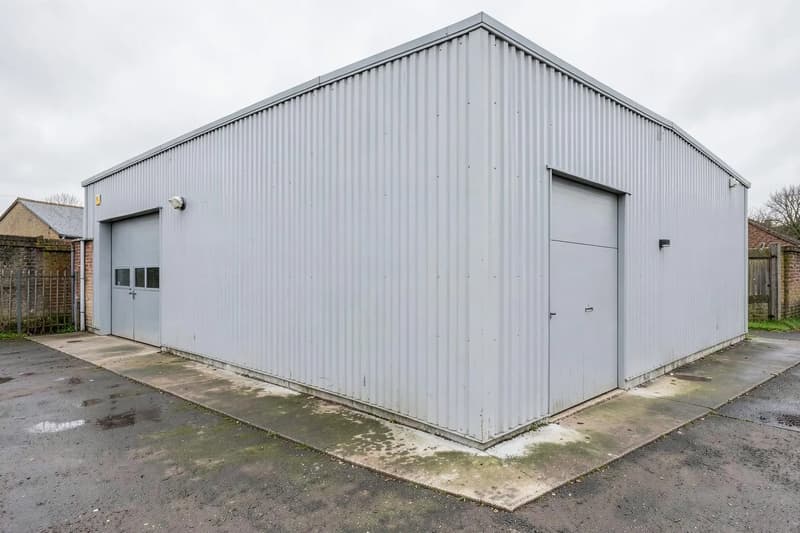
Coated metal panels are common on commercial units, warehouses and modern homes. Dirt, traffic film and algae sit on the coating rather than in it, so a mild detergent and soft brush, or a low-pressure soft wash, is normally enough. Avoid abrasive pads and solvents, which can dull or strip the coating. Pay attention to cut edges and fixings, where corrosion can start, and do not force water into seals or joints.
Composite cladding
Composite boards can stain where leaves, bird droppings or water runoff sit for long periods. A gentle cleaner and soft brush work well. High pressure can raise the surface texture or leave marks, and some manufacturers advise against it entirely. Rinse thoroughly so no cleaning residue dries on the face.
Timber cladding
Timber is porous and soft, so pressure easily raises the grain and leaves a furry surface. Use a timber-safe cleaner suited to green growth or weathering, apply it gently, and rinse at low pressure. If the timber is stained or oiled, cleaning may lift some of the finish, so plan any recoating for after it has dried.
Fibre cement cladding
Fibre cement is tough but its painted finish can be marked, and older boards may be fragile around fixings. Low-pressure cleaning with a suitable solution is the safe approach. Never drill, sand or abrade older fibre cement boards without knowing what they contain, as some older products need professional handling.
uPVC house cladding
For anyone wondering how to clean uPVC cladding on a home, warm water with a mild detergent and a soft cloth or brush does most of the work. Rinse with a hose. Avoid solvents and abrasive creams. The uPVC fascia and cladding cleaning guide covers chalky, faded plastics and roofline boards in more detail, so that is not repeated here.
Safe DIY steps for any cladding
Work on a dry, mild day out of strong sun so the cleaner does not dry too fast. Wet the area first, apply the cleaner from the bottom up, let it dwell briefly, brush gently, then rinse from the top down. Protect plants and paving below. Keep ladders to sensible heights and never work from a ladder over a conservatory or on uneven ground.
When professional cleaning is the better choice
High walls, large commercial elevations, cladding above roofs and anything that needs specialist access are not DIY territory. Professionals assess the profile, coating and access first, then choose low-pressure rinsing, soft washing or targeted stain treatment for the surface. On commercial sites the work can be planned around trading hours and deliveries, with exclusion zones set up below.