
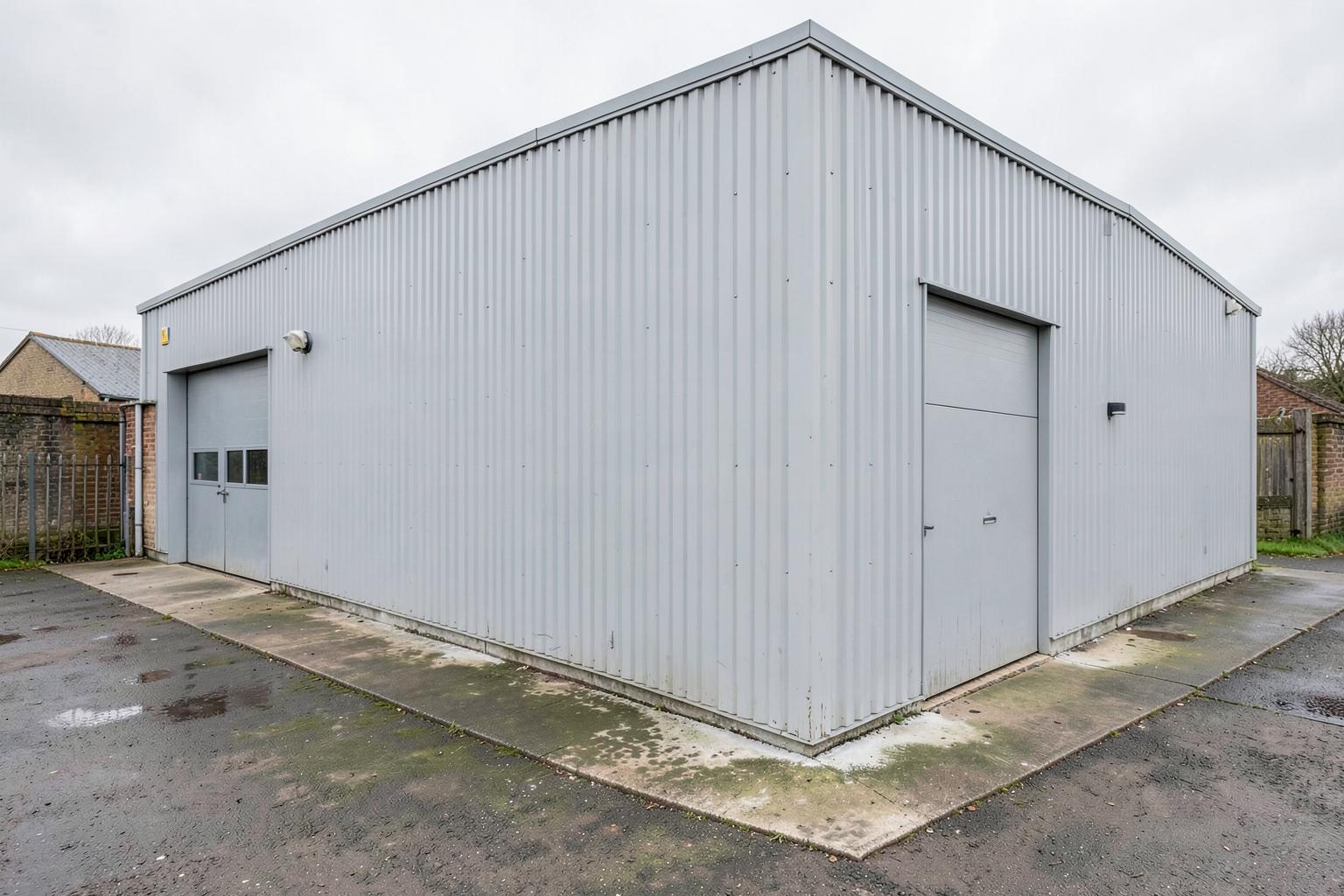
Start with the installed system, not a generic interval
Find the panel specification, coating name, handover file and warranty before deciding what the building needs. Profiled steel, insulated composite panels and aluminium rainscreen can look similar from the ground but have different finishes, joints and permitted products. If the paperwork is missing, record that gap and ask the building owner, installer or manufacturer before approving an unfamiliar treatment.
A coastal elevation in Kent, a shaded service yard and a road-facing frontage will soil at different rates. The schedule can therefore set different inspection points for different sides of one building instead of assuming that every panel needs identical work at the same time.
What a useful inspection record contains
A maintenance record should let another property manager understand what was seen and what happened next. Note the date, weather, elevation, panel profile, visible coating condition, staining pattern, open joints, damaged sealant, corrosion, blocked gutters and anything fixed to the wall. Photographs should show complete elevations as well as close details, with the location labelled clearly.
Keep cleaning and repair records beside the inspection. The scope, method, products where relevant, access arrangement, contractor and completion photographs create a traceable history. That is more useful than an invoice labelled only as exterior cleaning, especially when a warranty question arises later.
Separate cleaning from coating failure
Grey traffic film, algae below a leaking gutter and salt deposits can make sound cladding look faded. Chalking, peeling, exposed cut edges and corrosion are different issues. Cleaning reveals the true coating condition but does not repair a failed finish, so the survey must distinguish removable contamination from defects that need specialist attention.
OOR External checks the profile, coating and access before setting out a method. Low pressure rinsing, controlled softwashing and targeted stain treatment are selected for the actual surface. If the panels show deterioration that cleaning cannot solve, that should be recorded before the work is agreed rather than hidden by a broad promise to restore them.
Check the proposed method against the documents
Ask the contractor to describe how the panels will be reached, what will touch the coating, how seals and openings will be protected and how runoff will be managed. Compare that description with the manufacturer or coating supplier's current care guidance. Do not assume that a familiar product is suitable for every finish, and avoid approving aggressive pressure or abrasive tools without written support from the relevant documentation.
Kingspan's published panel maintenance material describes routine inspection and cleaning as part of preserving panel appearance, finish integrity and warranty coverage. That does not replace the documents for your own installation, but it shows why the system identity and maintenance record matter.
Build a schedule that works on a live property
Give prominent entrances, shaded walls, coastal faces and elevations beside busy roads their own checkpoints. A visual inspection can be combined with routine property visits, while cleaning is booked when the recorded condition justifies it. This avoids both neglect and unnecessary full-building cleans.
For several buildings, use the same inspection headings and photography sequence at every site. Jordan can survey and quote each building separately, then phase cleaning around deliveries, trading hours and occupied areas. One consistent record format makes it easier to compare condition across the portfolio without pretending that every site weathers alike.
A handover checklist for property managers
Before closing a maintenance visit, collect the agreed scope, dated photographs, notes on any defects found and the recommended next review point. Confirm that outlets, joints and nearby surfaces have been left as agreed. Store the record with the panel and coating documents rather than in a general cleaning folder.
- Panel, coating and warranty documents identified
- Each elevation photographed and labelled
- Cleaning method checked against available guidance
- Damage and coating defects recorded separately
- Scope and completion evidence retained
- Next inspection based on exposure and condition