Need this sorted?
Need help with solar panel cleaning? Book solar panel cleaning or get a quote from OOR External.
Why a small patch can matter
A layer of loose dust spreads thinly, while a dropping can cover a smaller area more densely. Both affect light reaching the glass, but a concentrated deposit creates local shading. Its significance depends on the array and the position of the affected cells, not merely the total dirty area.
Partial shading can contribute to uneven operating conditions and, in some circumstances, local heating known as hotspots. That is a general system concern, not proof that a visible dropping has damaged your panel. Persistent deposits justify advice; a diagnosis of electrical damage needs an appropriate specialist.
Rain may leave the adhered deposit behind
Rain can rinse loose material from sloping glass without shifting hardened droppings. You may therefore see relatively clear panels with a few stubborn marks. Do not assume that waiting for another shower will resolve a recurring concentration under a perch.
Equally, do not attack a dried patch with an abrasive pad or a sharp tool. Solar glass, frames and seals need compatible treatment. OOR External uses soft brushes and clean water for panel cleaning, with manufacturer instructions and the access arrangement considered first.
Gulls, pigeons and the source of the problem
On coastal roofs, gull activity can create repeated deposits. Pigeons may use sheltered spaces beneath an array, leaving debris around its edges as well as marks on top. A glass clean removes external soiling; it does not by itself change a perch or stop birds returning.
Describe what you can observe without disturbing it. Frequent landing, debris under an edge and apparent nesting are different situations. Photographs taken safely below can help start the discussion, but they do not justify lifting panels or attempting to remove a nest yourself.
Cleaning does not address nesting
Panel cleaning addresses the exposed glass, not nesting beneath the array. Apparent nesting needs advice from a suitable wildlife specialist, particularly where birds are active. Do not lift panels or interfere with protected activity.
Mention the bird issue when requesting a clean so the enquiry is not limited to appearance. Do not expect a glass wash to remove hidden debris from every space beneath the panels.
Safe observation instead of rooftop inspection
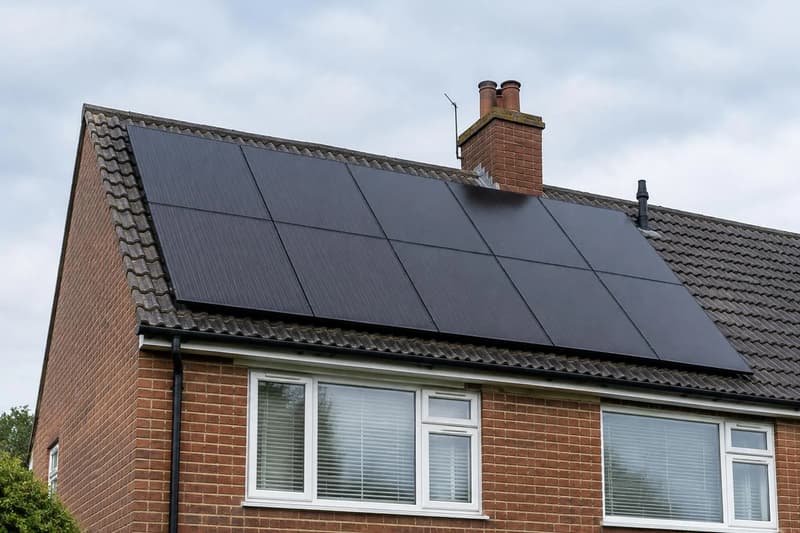
Look from the ground or another safe accessible position, keeping away from edges and fragile surfaces. Note whether marks concentrate in one row and whether they return beneath the same location. You do not need close-up access to give Jordan a useful description.
Solar equipment should be treated as electrical equipment, even when the house supply has been switched off. Damaged glass, exposed wiring or a reported system fault needs installer advice before washing. Cleaning is not an electrical test or a repair service.
What to expect from a cleaning enquiry
The panel layout, roof height and the amount of adhered material help establish a scope. Access over an extension or through a busy yard may need additional planning. Those details are discussed before booking, with specialist arrangements priced where needed.
No fixed output gain is promised. Removing the visible deposit is a maintenance task, and generation afterwards still depends on weather, shade and system operation. Ask the installer about persistent unexplained performance changes rather than assuming more cleaning will solve them.
Reduce repeat problems through the right discussion
If deposits reappear rapidly, record where they land and whether birds seem to shelter beneath the array. That information helps separate a one-off cleaning need from an ongoing bird-access issue. The frequency guide explains how recurring soiling affects timing without offering a universal schedule.
For a free quotation, send the postcode and safe photographs of the full array. Say which glass surfaces need cleaning. OOR External can discuss panel cleaning while keeping electrical work, roofing repairs and wildlife considerations separate.
Need it sorted? Book solar panel cleaning
Discuss your solar panel cleaning enquiry with Jordan Sartain at OOR External. Use the existing quote form below and include photographs taken safely from the ground and your postcode.