
Define the managed scope before seeking prices
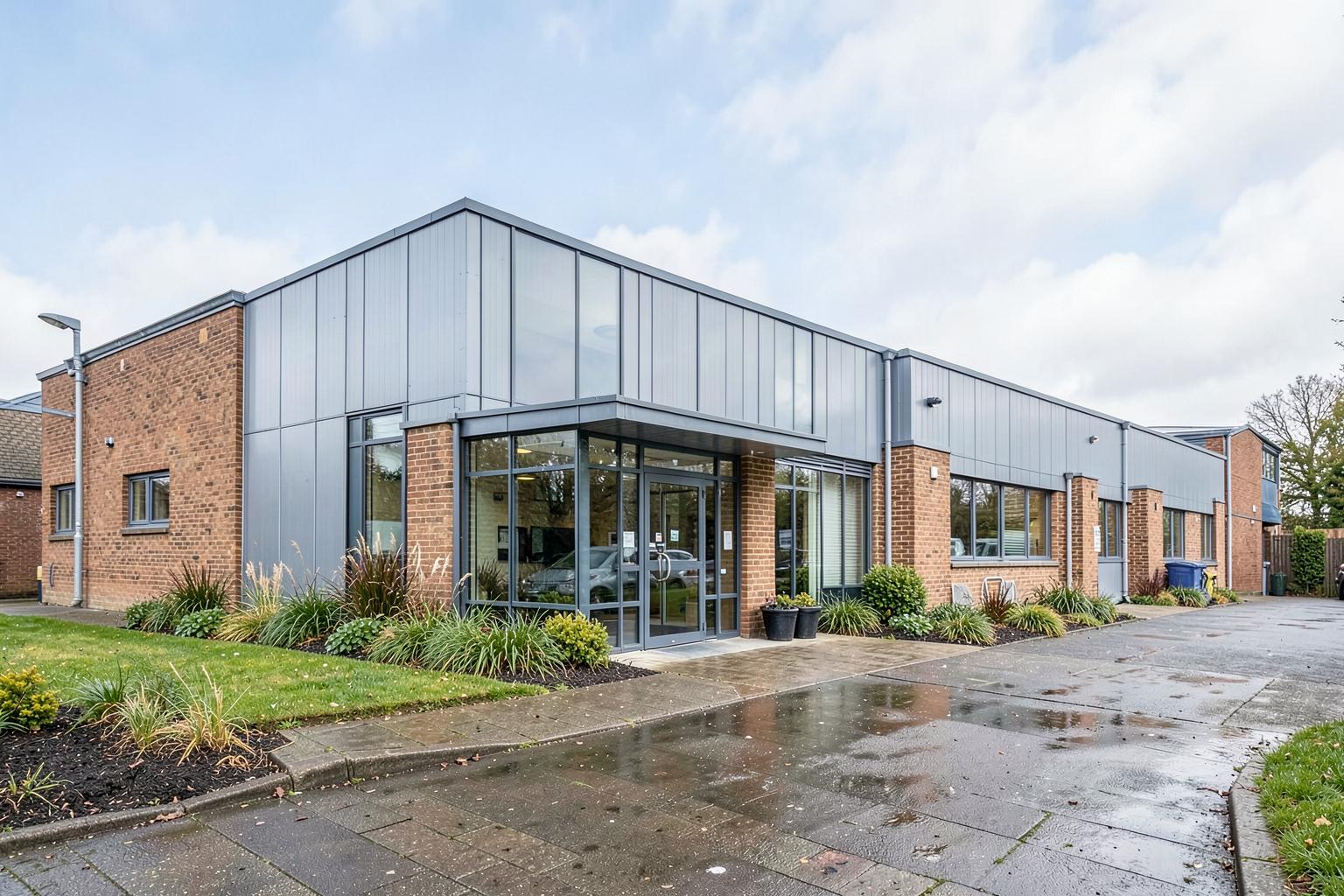
Start with the parts the instruction is meant to cover: shared render or cladding, gutters, roofline, entrances, canopies, paths, parking edges or bin-store surrounds. Record exclusions too, especially surfaces within a tenant's or leaseholder's own area. A marked photograph is often clearer than a description such as clean the outside.
The quotation can then compare like with like. Jordan assesses the surfaces, coating condition and access, and sets out a written scope before work begins. That gives the agent a document to approve and a checklist for completion.
Plan around residents and daily use
Managed blocks rarely become empty for maintenance. Entrances must remain usable, parking may need temporary changes and residents need time to close windows, move vehicles or bring in washing. Notice should state the date, affected elevation and practical action required without overwhelming people with technical detail.
Work can move elevation by elevation so only one part of the property is affected at once. The same principle applies to offices and mixed-use buildings, where entrances, deliveries and customer movement shape the order of work.
Choose a method for each shared surface
Rendered and painted walls usually need a low pressure treatment for algae and organic staining. Coated cladding is cleaned after its profile and finish are checked. Gutters and roofline can be cleared and washed, while robust paths or hard standing may suit controlled pressure washing.
Combining compatible work into one planned visit reduces repeated setup and gives the agent one coordinated programme. It does not mean using one cleaning method everywhere. The surface still decides the process.
Access questions that change the programme
Conservatories, balconies, parked cars, narrow paths, locked gates and planted beds all affect how an elevation can be reached. High reach equipment allows much work to be completed from ground level, but every building is checked before the access plan is included in the quotation.
For a portfolio, survey notes should use the same headings at every address: surfaces, height, working space, public routes, parking, water access and restrictions. A consistent record helps the agent compare sites without forcing them into an identical specification.
Records after the work
Completion photographs should show the same elevations used at survey, so the change is easy to understand. Any defect noticed during cleaning, such as a leaking gutter joint, open seal or failing coating, can be recorded separately from the cleaning result. The agent then has a useful maintenance note rather than a verbal comment that disappears.
For recurring work, the completed record becomes the starting point for the next review. Coastal, shaded and road-facing elevations can be checked on their own timetable rather than cleaning every block and every wall simply because a calendar date has arrived.
Single buildings and wider portfolios
A single managed block can be scoped as one visit or phased around residents. A wider Kent portfolio is surveyed building by building and grouped into a practical sequence from the Dover base. Jordan remains the direct contact, so changes to parking, access or timing are handled by the same person who understands the agreed work.
- Written scope for each property
- Resident or occupier notice requirements recorded
- Access and parking planned by elevation
- Methods matched to each material
- Completion photographs supplied
- Defects noted separately for follow-up